
Latest Products
Contact Us
- Gujiabu, Hujie Village, Zhangting Town, Yuyao City
- kiccy@yytonghui.com
- +8615267877473
The factory was established in 1989, and started to do export trade in 2010, mainly in Europe and the United States market.
The factory can design products and process them according to customers, our advantage is that we can do customized products according to customers' drawings and provide free samples. High quality products, no burrs, smooth surface, galvanized products all pass salt spray test.
Why Choose Us?
High quality: We take pride in the craftsmanship of our products and ensure that each one meets our strict standards for quality. High quality products, no burrs, smooth surface, galvanized products all pass salt spray test.
Professional Team: The factory was established in 1989, and started to do export trade in 2010. Dedicated to strict quality control and attentive customer service, our experienced staff is always available to discuss your requirements and ensure complete customer satisfaction.
High quality service: Professional and thoughtful after -sales team, let you worry about us after -sales Intimate service, strong after -sales team support.
Custom service: We can do customized products according to customers' drawings and provide free samples.
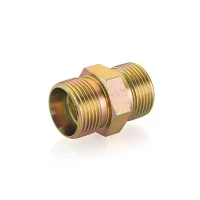
 Male Hydraulic Tee
Size: M18X1.5. Threaded size can be customized. Material: carbon steel. Material can be stainless steel 304,316,316L. Surface treatment: Eco-friendly galvanized
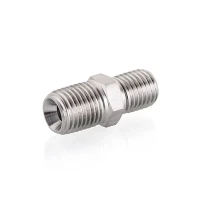
Add to Inquiry Female Hydraulic Tee
Size: M30X1.5. Threaded size can be customized. Material: carbon steel. Material can be stainless steel 304,316,316L. Surface treatment: Eco-friendly galvanized
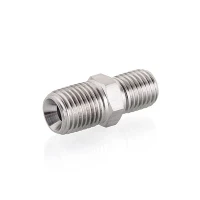
Add to Inquiry Hydraulic Tee Connector
Size: M18X1.5. Threaded size can be customized. Material: carbon steel. Material can be stainless steel 304,316,316L. Surface treatment: Eco-friendly galvanized
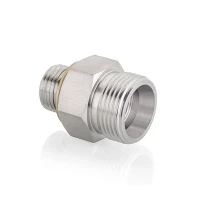
Add to Inquiry Hydraulic Tee Adapter
Size: UNF3/4X16. Threaded size can be customized. Material: carbon steel. Material can be stainless steel 304,316,316L. Surface treatment: Eco-friendly galvanized
Add to Inquiry BSP Hydraulic Tee
Size: BSP 3/8X19. Threaded size can be customized. Material: carbon steel. Material can be stainless steel 304,316,316L. Surface treatment: Eco-friendly galvanized
Add to Inquiry High Pressure Hydraulic Tee
Size: BSP 3/8”X19. Threaded size can be customized. Material: carbon steel. Material can be stainless steel 304,316,316L. Surface treatment: Eco-friendly galvanized
Add to Inquiry Hydraulic Tee Compression Tube Fittings
Size: M24X1.5. Threaded size can be customized. Material: carbon steel. Material can be stainless steel 304,316,316L. Surface treatment: Eco-friendly galvanized
Add to Inquiry Hydraulic Tee Fittings
Size: M24X1.5. Threaded size can be customized. Material: carbon steel. Material can be stainless steel 304,316,316L. Surface treatment: Eco-friendly galvanized
Add to Inquiry 1 2 Hydraulic Tee Fitting
Size: NPT1/2”X14. Threaded size can be customized. Material: carbon steel. Material can be stainless steel 304,316,316L. Surface treatment: Eco-friendly galvanized
Add to Inquiry 3 8 Hydraulic Tee Fitting
Size: NPT3/8”X18. Threaded size can be customized. Material: carbon steel. Material can be stainless steel 304,316,316L. Surface treatment: Eco-friendly galvanized
Add to Inquiry Hydraulic Tee 9 16-18 Jic X 7 16-20 Jic
Size: UNF9/16-18-UNF7/16-20. Threaded size can be customized. Material: carbon steel. Material can be stainless steel 304,316,316L. Surface treatment: Eco-friendly galvanized
Add to Inquiry Hydraulic Tee Fittings 1 2 Npt
Size: NPT1/2”X14. Threaded size can be customized. Material: carbon steel. Material can be stainless steel 304,316,316L. Surface treatment: Eco-friendly galvanized
Add to Inquiry

Made of high quality 316 stainless steel, sturdy and durable, long service life. Corrosion resistance, resistant to rust, reliable connection. Three-way fittings are used where the pipe has branches, practical and convenient. Strictly in accordance with the standard production, easy to use. It is widely used in chemical industry, civil construction, machinery manufacturing, shipbuilding industry and other fields.
Types of Hydraulic Tees
Hydraulic Female Tees
Offer steel and stainless-steel female hydraulic tee fittings in standard and swivel styles. These female tees feature NPT threads in sizes from 1/8 to 2 inches.
Hydraulic Male Tees
Choose from male tees, male branch tees, and male run tees in steel or stainless steel. Thread options include JIC, NPT, and ORB in standard sizes.
Hydraulic Branch Tees
Options include branch tees, female branch tees, female swivel branch tees, and swivel branch tees. Steel or stainless-steel body with JIC or NPT threads in sizes up to 1-1/4 inches.
Hydraulic Run Tees
These hydraulic hose tee fittings come in female standard, female swivel, male standard, and male swivel styles. Select from a steel or stainless-steel body and JIC or NPT threads up to 1-1/4 inches.
The Most Important Parameters for the Process of Hydraulic Tees
For the correct realization of the parts through the hydroforming process, some production and material aspects are important:
● Formability of the material: It is necessary for the process to work properly and the piece, for example the tee, does not break during the application of pressure.
● Friction at the interface: The friction between the mold and the piece must be properly calibrated.
● Machine parameters: These include times, pressures and movements of the axial cylinders that must be set correctly for the effective and efficient production of the parts.
This innovative forming technology represents a concrete possibility for the present but also a fundamental prospect for the future in order to meet the needs and limitations of modern industry.
Cosider the following criteria before selecting the hydraulic tee types for your application:
Size: The internal and external diameter of the fittings are two important sizes to consider. These diameters of the fitting should be compatible with the hose diameter. Over or under-sized fittings can cause leakage or the connection to fail.
Material: The material of the hydraulic fitting should be compatible with the hydraulic fluid and with the operating environment. The most commonly used fitting materials are brass, aluminum, steel, or stainless steel.
Temperature: The hydraulic fittings should be suitable for your temperature range.
Pressure: The hydraulic fittings must be suitable for your pressure range, including the pressure spikes. Operating beyond this range can cause damage to the fittings.
Application: The type of application also determines the fitting type to be used. Tee or cross fittings are used for mixing or distribution application.
Assembly: If the hydraulic system requires frequent connecting and disconnecting of the hose or tube, the hydraulic quick-connect fittings can be used. Similarly, hydraulic compression fittings can be used to remove the need for welding or soldering of the fitting. It uses a compression nut to tighten against the ferrule creating a very tight seal. It can be used in areas with high temperatures as welded joints can leak in such environments.
What Are Hydraulic Tees Made Of
Hydraulic tees are typically fabricated from strong, durable materials capable of withstanding high-pressure environments.
Commonly, they are made of materials like steel and stainless steel offering specific benefits such as corrosion resistance, heat tolerance, or light-weight properties.
Steel hydraulic tees are highly valued for their superior strength, durability and resistance to high pressures and temperatures. Often utilized in industrial settings, they are resilient against harsh environments, but may be prone to corrosion if not properly maintained or protected.
Stainless steel hydraulic tees are renowned for their exceptional corrosion resistance and strength. These hydraulic tees are often employed in applications where the hydraulic system is exposed to corrosive substances, or high levels of cleanliness are required.
Precautions for Tightening Hydraulic Tees
Use the correct fittings. Plain ol' tapered (NPT) hydraulic tees are designed for low-pressure fluids of 300 psi or less. They are not designed for, nor safe, when installed in high-pressure hydraulic situations. Tapered fuel (NPTF) hydraulic connectors are physically similar to NPT fittings, but are plated with zinc dichromate, which gives them a silver or gold tint. Hydraulic tees are safe for use in high-pressure applications. If you don't know for certain if a fitting is NPT or NPTF, don't use it in a high-pressure hydraulic application.


● When installing an hydraulic tee in a high-pressure situation, don't tighten the fitting then back it off to align it with a hose, line or other fitting. Because of the unique design of NPTF threads, those fittings should be tightened into alignment, and never loosened.
● Straight-thread O-ring fittings are the ones you thread into place, then tighten a nut on the fitting against an O-ring built into the fitting. Fyi, to 'test' an old, used straight-thread o-ring fitting, shake the fitting. If the washer slides back and forth on the fitting and clicks, it's worn out. To correctly install a straight-thread o-ring fitting, twist the retaining nut away from the washer and o-ring then install the threaded portion of the fitting until it is hand-tight. You can can "back-off" this sort of fitting from hand-tight up to one revolution to align it with other plumbing. Once aligned, tighten the nut until it is "firm" against the washer and o-ring, with the nut becoming snug with a feel of metal-on-metal in less than one revolution. Over-tightening causes as many leaks as under-tightening.
● Flared hydraulic tees come in 37- and 45-degree designs and may share similar thread pitches. This means a 45-degree male fitting may thread into a 37-degree female, but they won't seal correctly. Beyond making certain the cone-angles of fittings match, don't over-tighten flared fittings. Over-tightened flared fittings leak as badly as under-tightened fittings because the immense torque of over-tightened threads cracks or distorts the precision-machined flared portions of the fittings.
Uses of Hydraulic Tees
Hydraulic tees are used in a wide range of applications, including:
Oil and gas
Hydraulic tees are commonly used in the oil and gas industry to connect pipes and regulate fluid flow. They are highly resistant to corrosion and can withstand high pressures and temperatures.
Chemical processing
Hydraulic tees are used in chemical processing plants to connect pipes and regulate fluid flow. They are highly resistant to corrosion and can withstand the harsh chemicals used in the process.
Food and beverage
Hydraulic tees are commonly used in the food and beverage industry to connect pipes and regulate fluid flow. They are highly hygienic and easy to clean, making them ideal for use in food processing plants.
Advantages of Hydraulic Tees
Corrosion resistance, one of the biggest advantages of hydraulic tees is their corrosion resistance. Stainless steel is resistant to rust, oxidation, and staining, making it ideal for harsh environments. This means that stainless steel fittings are less likely to suffer from leaks or failures because of corrosion, saving you time and money in the long run.
High-temperature resistance hydraulic tees can withstand high temperatures without degrading or losing strength. This makes them ideal for applications involving hot fluids or high-temperature environments. Stainless steel fittings can also resist thermal expansion and contraction, which ensures a tight and secure fit even in extreme temperatures.
Durability stainless steel is an incredibly strong and enduring material that can tolerate deterioration.This means hydraulic tees are less likely to fail or break, even under heavy use or high pressure. Additionally, stainless steel fittings can last for years before replacement is necessary, saving you money on maintenance and repairs.
Cleanliness hydraulic tees are easy to clean and maintain, which is important for industries such as food and beverage or pharmaceuticals. Stainless steel is non-porous, so bacteria and other contaminants cannot penetrate the surface. This makes stainless steel fittings ideal for applications requiring high cleanliness and hygiene levels.
Aesthetics hydraulic tees have a sleek and modern look and can add a touch of sophistication to any hydraulic system. This is especially important for industries that require a certain level of visual appeal, such as automotive or aerospace. Stainless steel fittings can also be polished to a mirror-like finish, which adds to their aesthetic appeal.
Compatibility hydraulic tees are compatible with various fluids and chemicals, making them suitable for various industries. This means that you can use stainless steel fittings in different applications without worrying about compatibility issues or the risk of contamination.
Cost-effective although stainless steel fittings are typically more expensive than other materials, they are also more cost-effective in the long run. Stainless steel fittings last longer and require less maintenance than other materials, which can save you money on replacement parts and repairs. Stainless steel fittings can reduce downtime and improve efficiency, saving you money.
High-pressure resistance hydraulic tees can withstand high pressures without leaking or failing. This makes them ideal for applications involving high-pressure fluids or systems. Stainless steel fittings can also maintain their strength and integrity even under extreme pressure, which ensures safe and reliable operation.
Easy installation hydraulic tees are easy to install, saving time and money on labour costs. Stainless steel fittings typically require fewer components and connections than other materials, so installation is faster and simpler. Stainless steel fittings can be easily removed and reused if necessary, saving you money on replacement parts.
Environmentally friendly stainless steel is a sustainable and recyclable, reusable materials that are environmentally friendly. This means that hydraulic tees have a lower environmental impact than other materials, such as brass or steel. Using stainless steel fittings can minimise your carbon footprint to help create a more sustainable future.
FAQ
Q: What are the different types of hydraulic tees?
Q: What is hydraulic tee?
Q: How to choose hydraulic tees
Size: The internal and external diameter of the fittings are two important sizes to consider. These diameters of the fitting should be compatible with the hose diameter. Over or under-sized fittings can cause leakage or the connection to fail.
Material: The material of the hydraulic fitting should be compatible with the hydraulic fluid and with the operating environment. The most commonly used fitting materials are brass, aluminum, steel, or stainless steel.
Temperature: The hydraulic fittings should be suitable for your temperature range.
Pressure: The hydraulic fittings must be suitable for your pressure range, including the pressure spikes. Operating beyond this range can cause damage to the fittings.
Application: The type of application also determines the fitting type to be used. Tee or cross fittings are used for mixing or distribution application.
Assembly: If the hydraulic system requires frequent connecting and disconnecting of the hose or tube, the hydraulic quick-connect fittings can be used. Similarly, hydraulic compression fittings can be used to remove the need for welding or soldering of the fitting. It uses a compression nut to tighten against the ferrule creating a very tight seal. It can be used in areas with high temperatures as welded joints can leak in such environments.
Q: How do you make hydraulic tee fitting?
Q: How do you tell hydraulic tees apart?
Q: Do you use Teflon tape on hydraulic tees?
Q: What is the important knowledge of knowing the hydraulic tees?
Q: How to seal hydraulic tees?
Q: What is the function of hydraulic tees?
Q: What is the standard for hydraulic tee?
Q: Why do hydraulic tees leak?
Q: What are the uses of hydraulic tees?
Oil and gas: Hydraulic tees are commonly used in the oil and gas industry to connect pipes and regulate fluid flow. They are highly resistant to corrosion and can withstand high pressures and temperatures.
Chemical processing: Hydraulic tees are used in chemical processing plants to connect pipes and regulate fluid flow. They are highly resistant to corrosion and can withstand the harsh chemicals used in the process.
Food and beverage: Hydraulic tees are commonly used in the food and beverage industry to connect pipes and regulate fluid flow. They are highly hygienic and easy to clean, making them ideal for use in food processing plants.
Q: Can you mix and match hydraulic tees?
Q: How tight should a hydraulic fitting be?
Q: How to understand hydraulic tees?
The simple 5-step procedure to identify hydraulic tees:
Step 1: Define the fitting type.
Step 2: Match port connections.
Step 3: Identify the sealing type.
Step 4: Detect the fitting design with the help of visual analysis.
Step 5: Identify the tread size.
Q: How to identify different hydraulic tees?
Step 2: Identify fitting ends and port connections.
Step 3: Identify the sealing method.
Step 4: Look at the fitting design.
Q: Are hydraulic tees stainless steel?
Q: Can you over tighten hydraulic tees?
Q: How to get a hydraulic tee to stop leaking?
Q: How do you keep hydraulic tees from rusting?
As one of the leading hydraulic tee manufacturers and suppliers in China, we warmly welcome you to buy hydraulic tee in stock here from our factory. All customized products are with high quality and competitive price. Contact us for free sample.
hydraulic tee for hydraulic cylinders, regulatory compliant hydraulic tee, corrosion resistant hydraulic tee